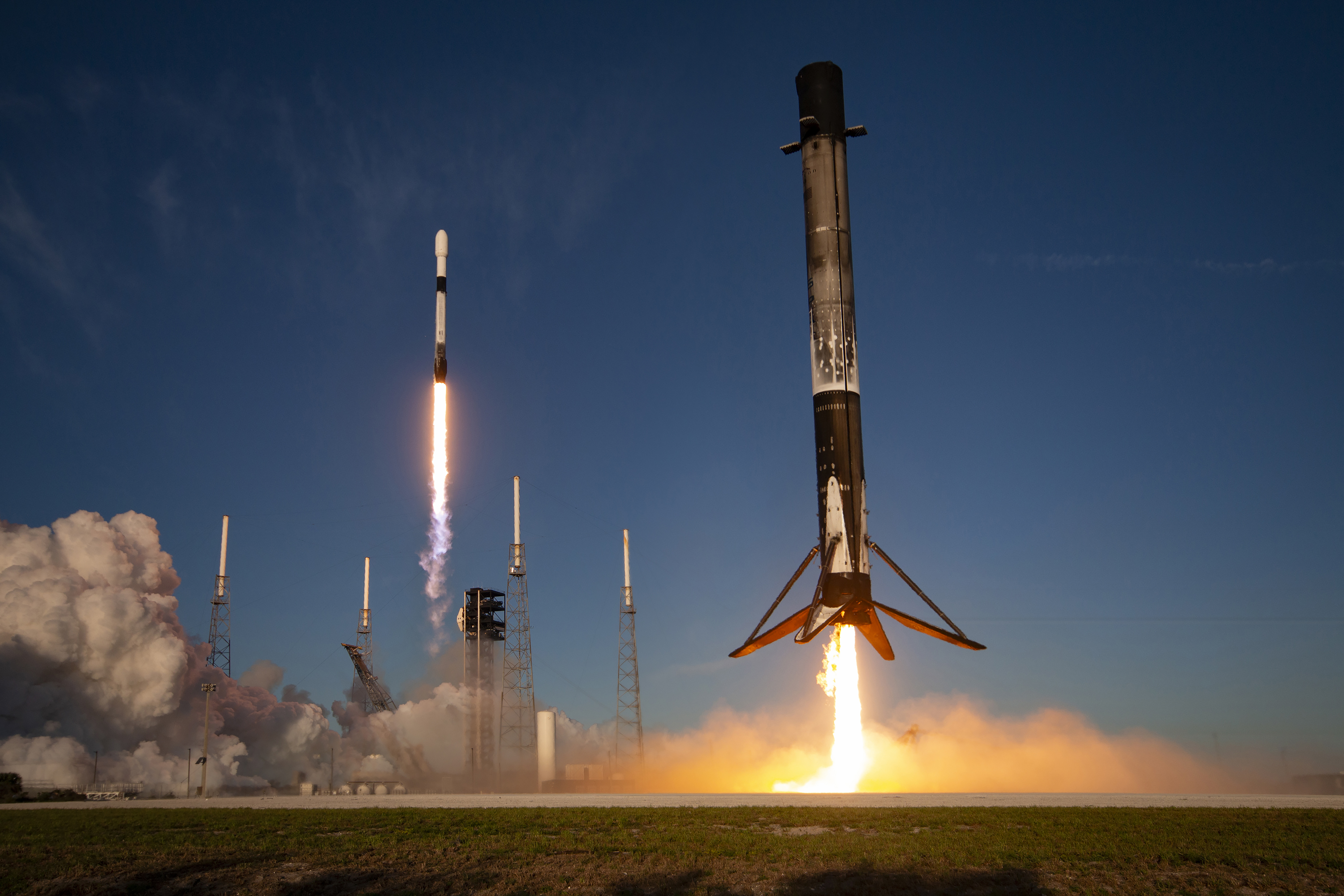


NASA has announced that its next-generation Space Launch System (SLS) rocket, destined to carry four astronauts around the Moon on the Artemis II mission, will likely be rolled back to the Vehicle Assembly Building (VAB) at Kennedy Space Center following a newly discovered technical issue — even after a hard-won success in its most recent full-scale test.
In a post on X, NASA Administrator Jared Isaacman confirmed that what appears to be an interruption in helium flow to the rocket’s Interim Cryogenic Propulsion Stage (ICPS) — a critical upper-stage pressurization and purge system — emerged overnight after Friday’s evaluations. Because proper helium flow is essential for propellant pressurization and engine readiness, engineers are preparing to send the massive launcher back into the VAB to inspect and repair the system as needed.
The rollback announcement comes just a day after NASA celebrated the successful completion of the second wet dress rehearsal (WDR) — a propellant loading test that simulates critical aspects of the countdown and launch sequence. Over two days of operations, engineers loaded more than 700,000 gallons of supercold liquid hydrogen and liquid oxygen into the SLS core and ICPS stages. The milestone marked a significant turnaround from earlier attempts that were cut short by propellant leak issues.
From Troubles to Triumph: Wet Dress Rehearsal
The Artemis II campaign, NASA’s first crewed lunar mission since 1972, has faced a series of technical hurdles in recent weeks. The initial wet dress rehearsal attempt in early February was halted due to liquid hydrogen leaks that triggered automatic safeguards during the countdown, forcing teams to stand down and troubleshoot. Real-time data prompted adjustments to seals and fueling procedures ahead of the second test.
When the second dress rehearsal commenced on February 19, flight controllers executed a full fueling sequence with minimal leakage and reached terminal countdown operations without major anomaly, giving the agency confidence in the readiness of the vehicle’s primary propellant systems. Engineers and mission management had been reviewing data with an eye toward the March 6 launch window, a narrowly defined set of dates driven by orbital mechanics.
The contrast with the earlier rehearsal was stark: where the first test faltered under hydrogen containment challenges, the second demonstrated a level of systems stability that had eluded Artemis II through weeks of intensive ground operations. Mission leaders described the test as a crucial milestone on the path to flight, successfully validating vehicle and ground hardware readiness in simulated launch conditions.
Why Helium Matters to SLS
Following his initial post, Isaacman expanded on the role of helium within the system, explaining that helium is used to pressurize the propellant tanks and purge engine systems, ensuring stable flow and safe operation during critical phases of flight.
In large cryogenic launch vehicles like the Space Launch System, helium performs several essential functions:
Maintaining Tank Pressure: As liquid hydrogen and liquid oxygen are consumed, helium replaces lost volume inside the tanks to maintain structural stability and consistent feed pressure to the engines.
Purging and Conditioning Lines/Engines: Helium is inert, making it ideal for clearing propellant lines and cavities of combustible gases before ignition.
Supporting Upper-Stage Operations: In the ICPS, helium ensures proper pressurization during the translunar injection burn that sends Orion toward the Moon.
An interruption in helium flow to the ICPS raises concerns about maintaining proper tank pressure and engine conditioning during upper-stage operations. Because the ICPS performs the burn that commits the crew to lunar trajectory, engineers require absolute confidence in the system before flight.
This is why a rollback to the VAB — while operationally disruptive — is considered the safest course of action.
A New Hurdle Ahead
Despite the optimism following the second wet dress rehearsal, the discovery of the helium flow anomaly has put the March launch window into serious jeopardy. Rolling an SLS stack back to the VAB is a significant undertaking. The 3.5-million-pound assemblage — rocket, spacecraft, and mobile launcher — must be carefully dismounted from its pad at Launch Complex 39B and transported back atop the Crawler-Transporter along the Kennedy crawlerway.
Such a move resets portions of the launch processing timeline and will likely push a crewed launch opportunity beyond March and into subsequent windows.
NASA has not yet issued revised target dates. Administrator Isaacman indicated that additional updates would follow as teams complete inspections and determine the scope of corrective action required.