
Coverage
News
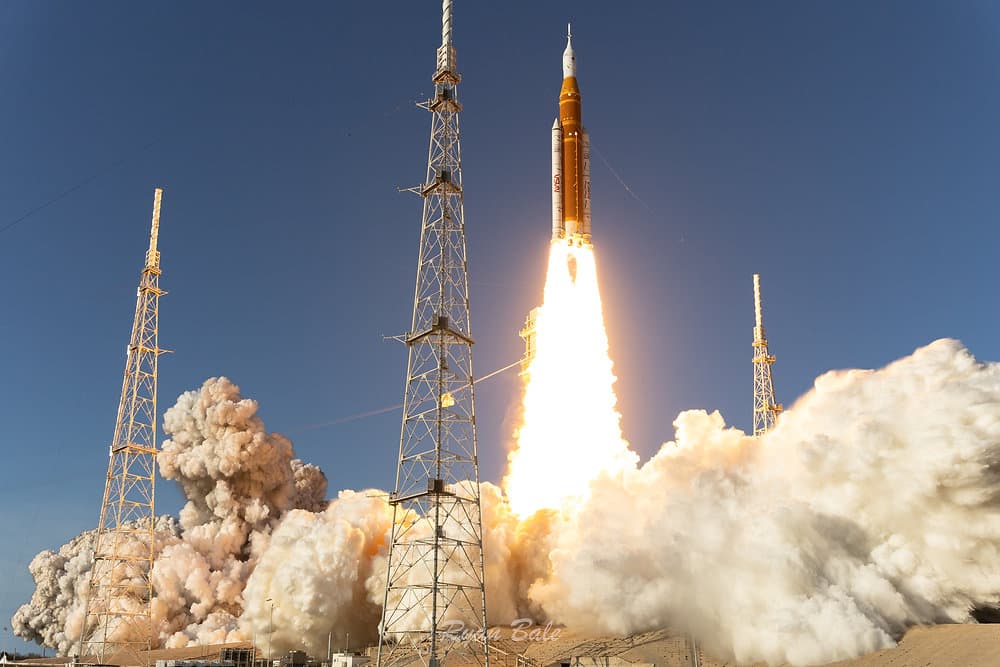
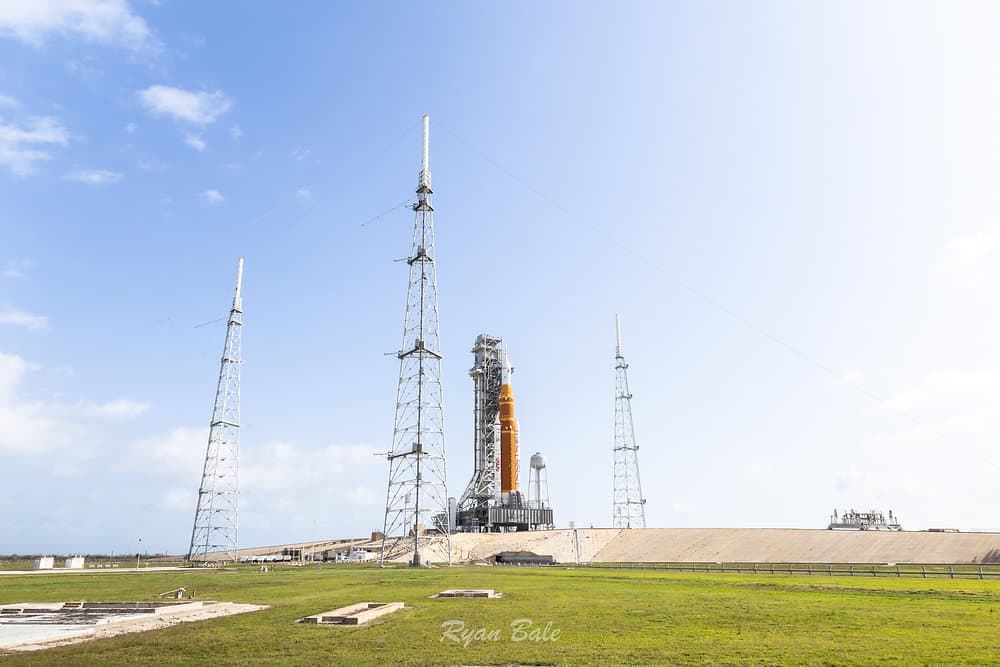
For the First Time in a Generation, Humans Are Heading Beyond Earth Orbit
The First Human Mission Beyond Earth Orbit in Over 50 YearsWith launch now just days away, NASA is preparing to send astronauts beyond low Earth orbit for the first time since the Apollo 17 mission in December 1972.The mission, known as Artemis II, is the second flight in NASA’s Artemis program and the first to carry a crew. It represents the next step in rebuilding the capability to send humans to the Moon, this time with the goal of staying and expanding deeper into the solar system.At the cen
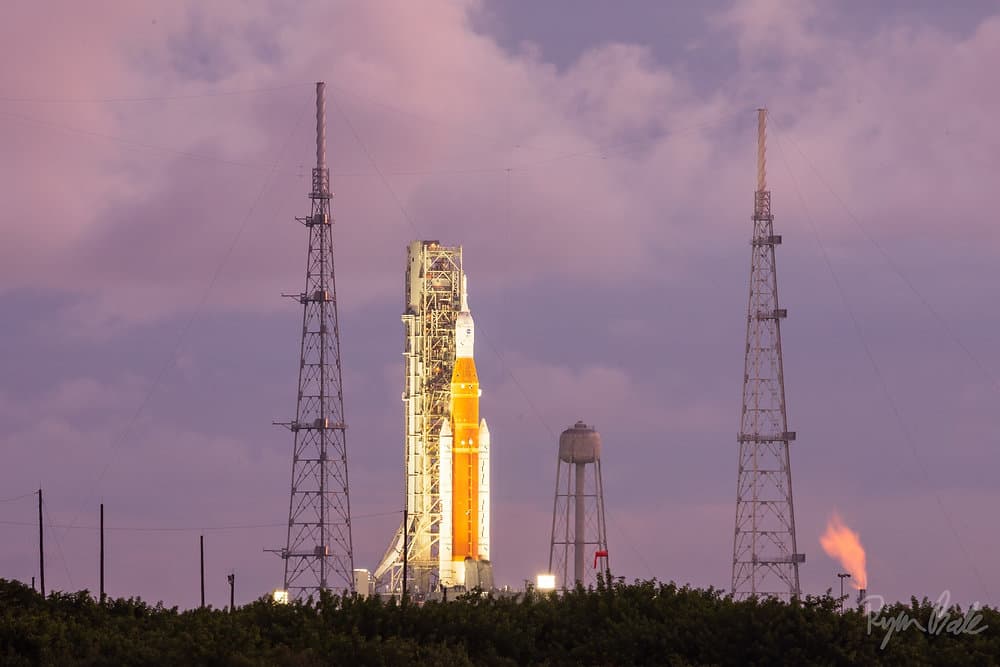
NASA Refocuses Artemis Around Sustained Lunar Operations
A Defining Moment for America’s Space ProgramOn March 24, 2026, NASA Administrator Jared Isaacman delivered a major update outlining the agency’s direction for human spaceflight. The event, titled “Ignition,” laid out a faster, more execution-focused strategy for returning to the Moon and advancing toward Mars.The Artemis program remains the foundation of NASA’s plans, but the structure around it is changing. The emphasis is shifting toward sustained operations, higher mission cadence, and stron
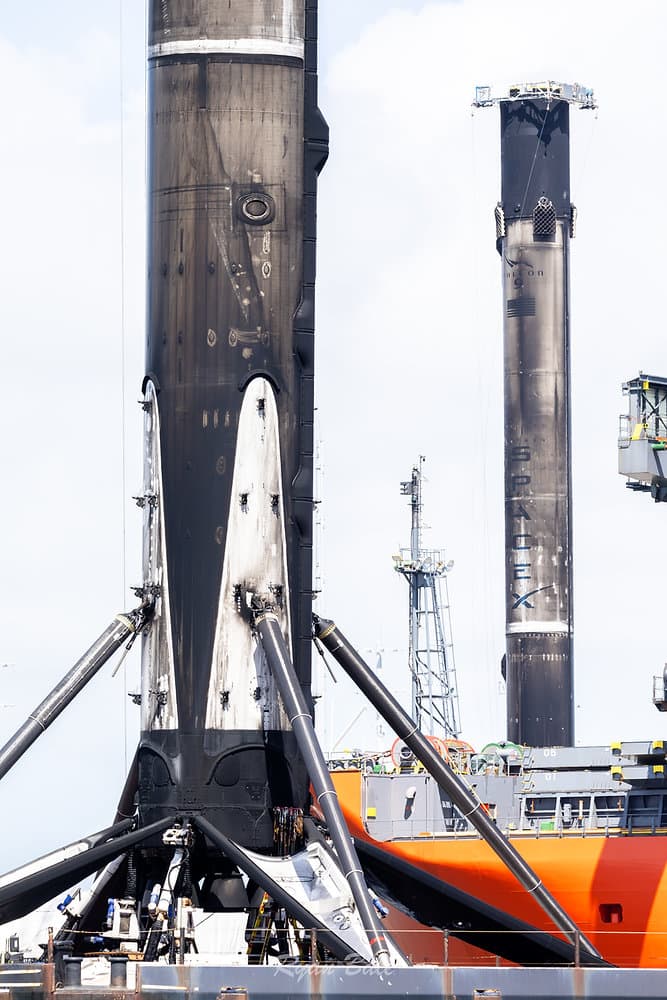
From Launch to Port: The Complete Lifecycle of Falcon 9 Booster Recovery
When a Falcon 9 lifts off from Cape Canaveral Space Force Station or Kennedy Space Center, the mission does not end once the payload reaches orbit. For SpaceX, the recovery of the first stage booster is an integral part of the launch architecture.The Falcon 9 system was designed from the beginning to support rapid reuse. Recovering and refurbishing the booster dramatically lowers launch costs while enabling higher launch cadence. Today, it is common for Falcon 9 boosters to fly more than a dozen
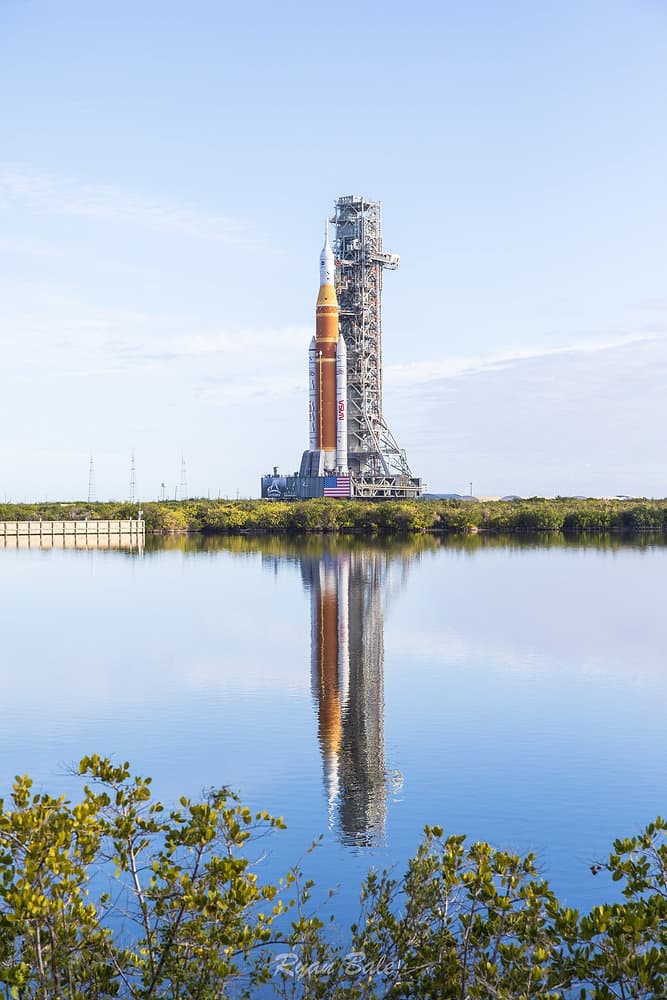
NASA Reshapes Artemis Program, Adds New Mission and Refines Lunar Exploration Architecture
NASA has announced a significant restructuring of its Artemis program, introducing a new mission and refining the overall architecture intended to return astronauts to the Moon. The changes are designed to increase mission cadence, reduce technical risk, and better prepare for sustained human exploration beyond Earth orbit.The updated strategy comes as the agency prepares for the launch of Artemis II, the first crewed mission of the program, which will send astronauts on a lunar flyby for the fi
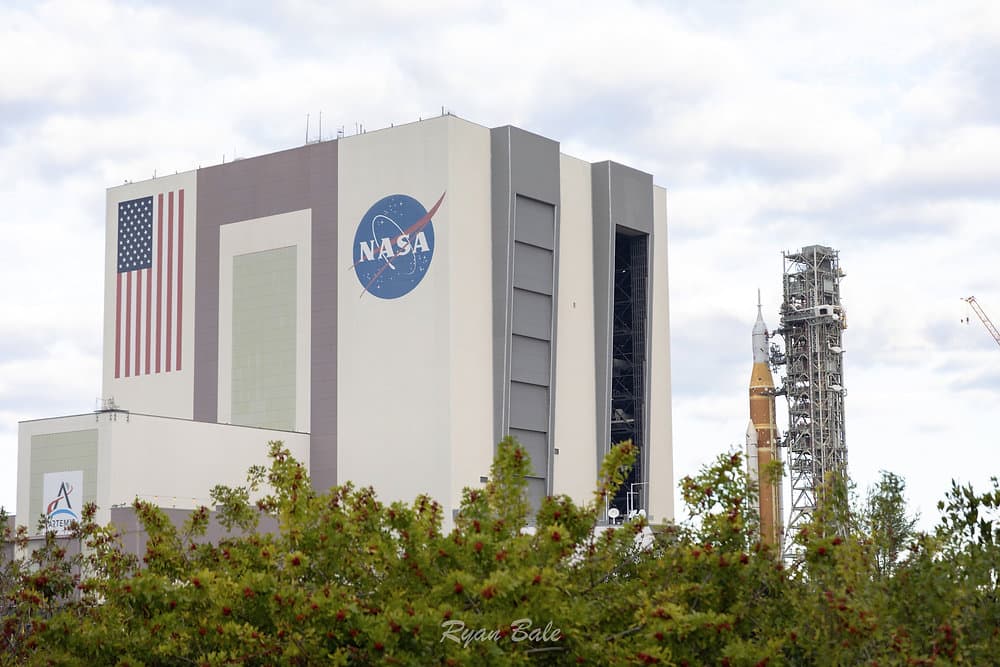
Artemis II Faces Delay as Helium Issue Prompts SLS Rollback to VAB
NASA has announced that its next-generation Space Launch System (SLS) rocket, destined to carry four astronauts around the Moon on the Artemis II mission, will likely be rolled back to the Vehicle Assembly Building (VAB) at Kennedy Space Center following a newly discovered technical issue — even after a hard-won success in its most recent full-scale test.In a post on X, NASA Administrator Jared Isaacman confirmed that what appears to be an interruption in helium flow to the rocket’s Interim C
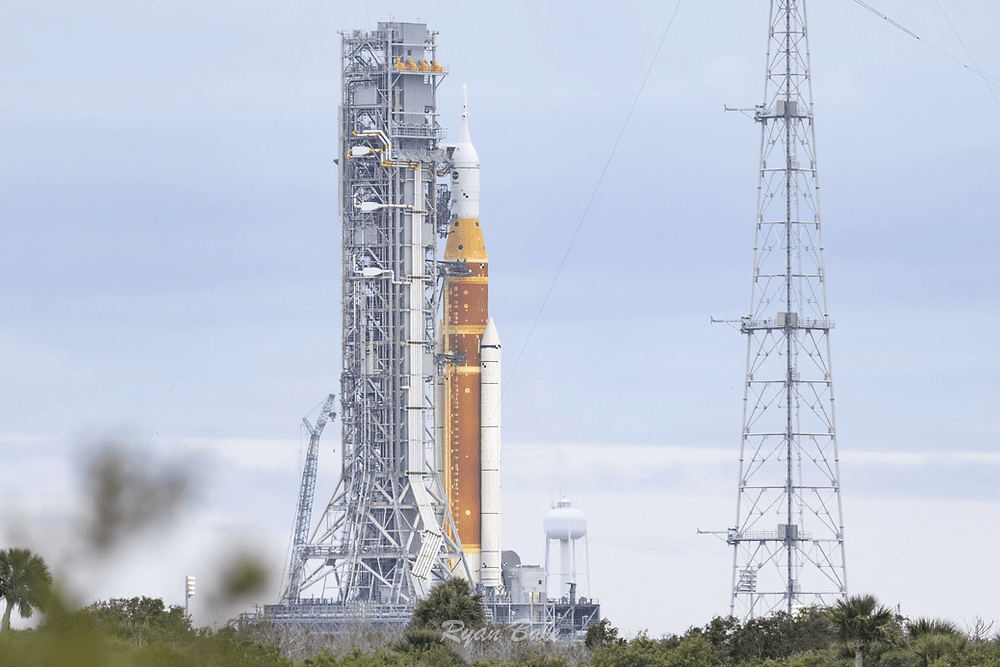
NASA Nears Critical Fueling Test as Artemis II Readies for Lunar Flyby
NASA is advancing toward a pivotal milestone in preparations for Artemis II, the first crewed lunar mission in over half a century, as engineers at Kennedy Space Center methodically ready the Space Launch System (SLS) and Orion spacecraft for a crucial fueling test ahead of the mission’s launch window.The test, officially known as a wet dress rehearsal, simulates a full fueling sequence and rocket countdown without astronauts on board. During this operation, teams will load more than 700,000 gal
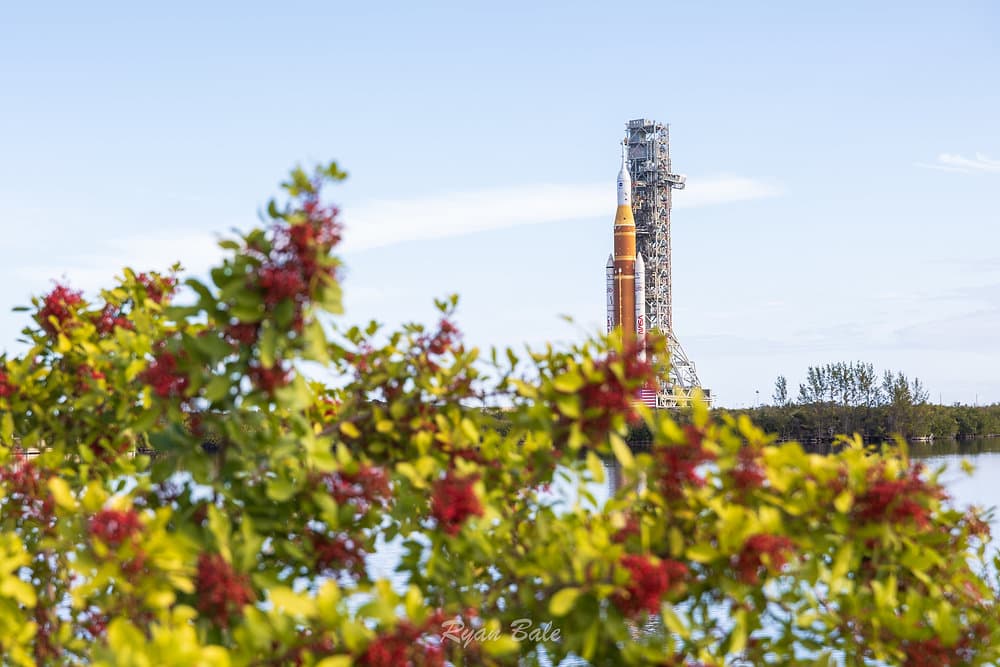
NASA's SLS rocket rolls out to Historic LC-39B for Artemis II
NASA’s Space Launch System rocket and Orion spacecraft rolled out from the Vehicle Assembly Building to Launch Complex 39B on Saturday, marking a major milestone in preparations for the Artemis II mission. This is the first time the SLS rocket has been positioned at the pad for a crewed lunar flight, signaling a transition from vehicle processing to active launch readiness.The 322-foot-tall rocket, weighing approximately 11 million pounds, made the four-mile journey along the crawlerway atop its