Active Fleet
Spacecraft
Every crewed, cargo, and suborbital spacecraft currently flying — who builds them, what they carry, and how long they've been flying.
Human-Rated
Crewed Spacecraft
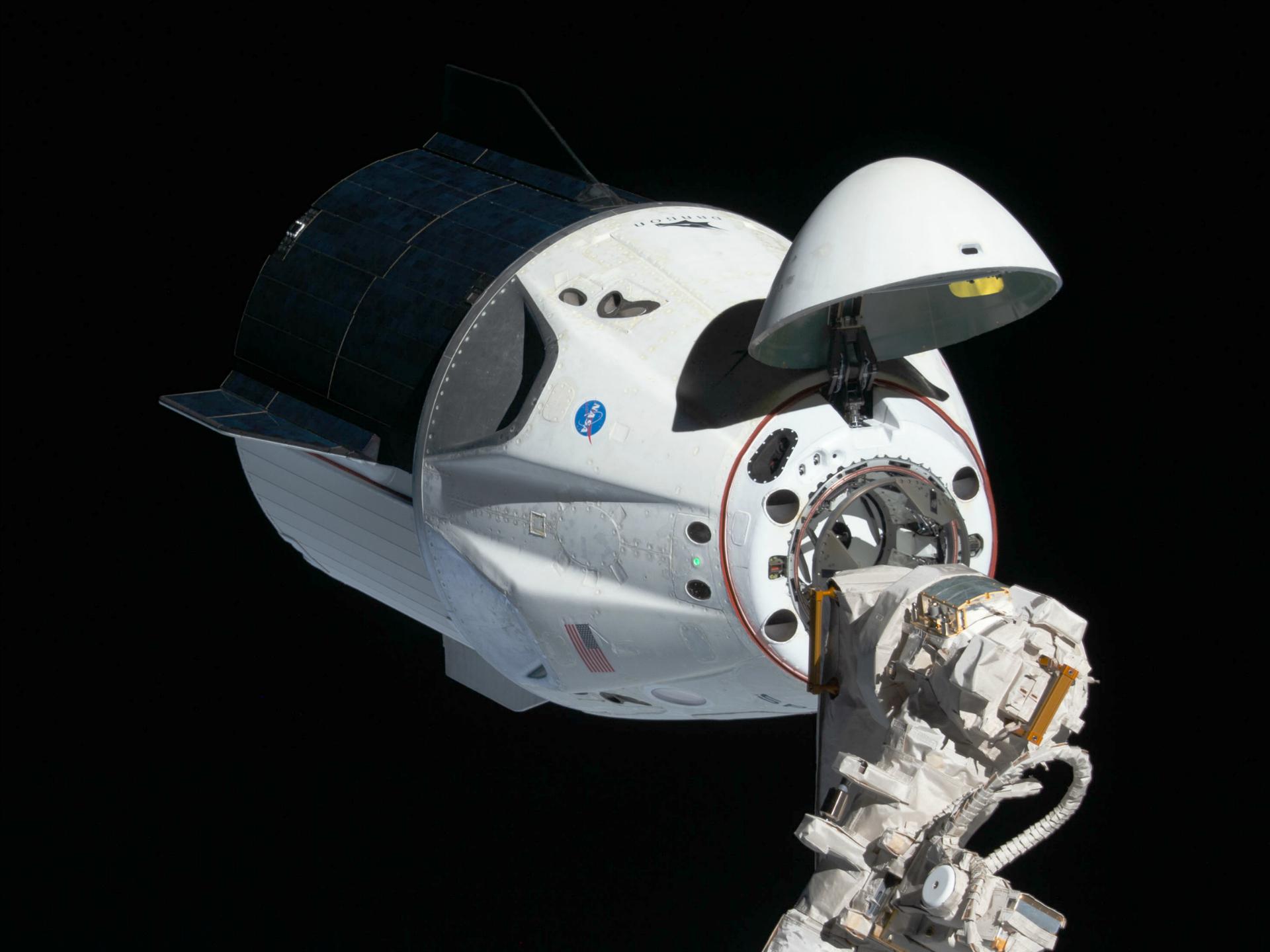
Crew Dragon
SpaceX
SpaceX's human-rated spacecraft restored U.S. crew access to the ISS after the Space Shuttle's retirement. Launches atop Falcon 9 and splashes down in the ocean. Each capsule is reflown multiple times.
Active Fleet
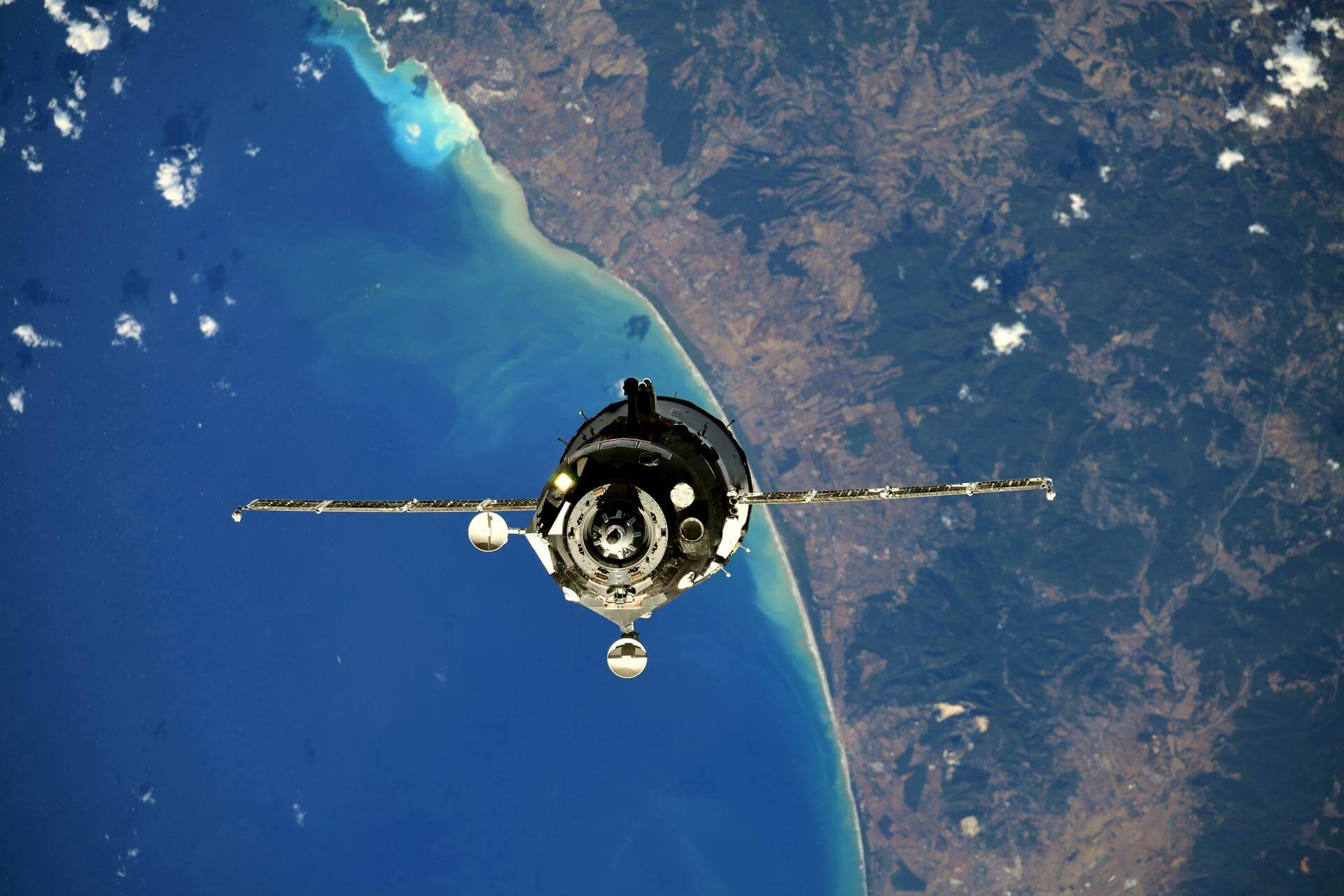
Soyuz MS
RSC Energia / Roscosmos
Russia's workhorse crewed spacecraft, continuously flown since 1967 in various iterations. The MS variant introduced upgraded comms, solar panels, and emergency systems. Each capsule flies once.
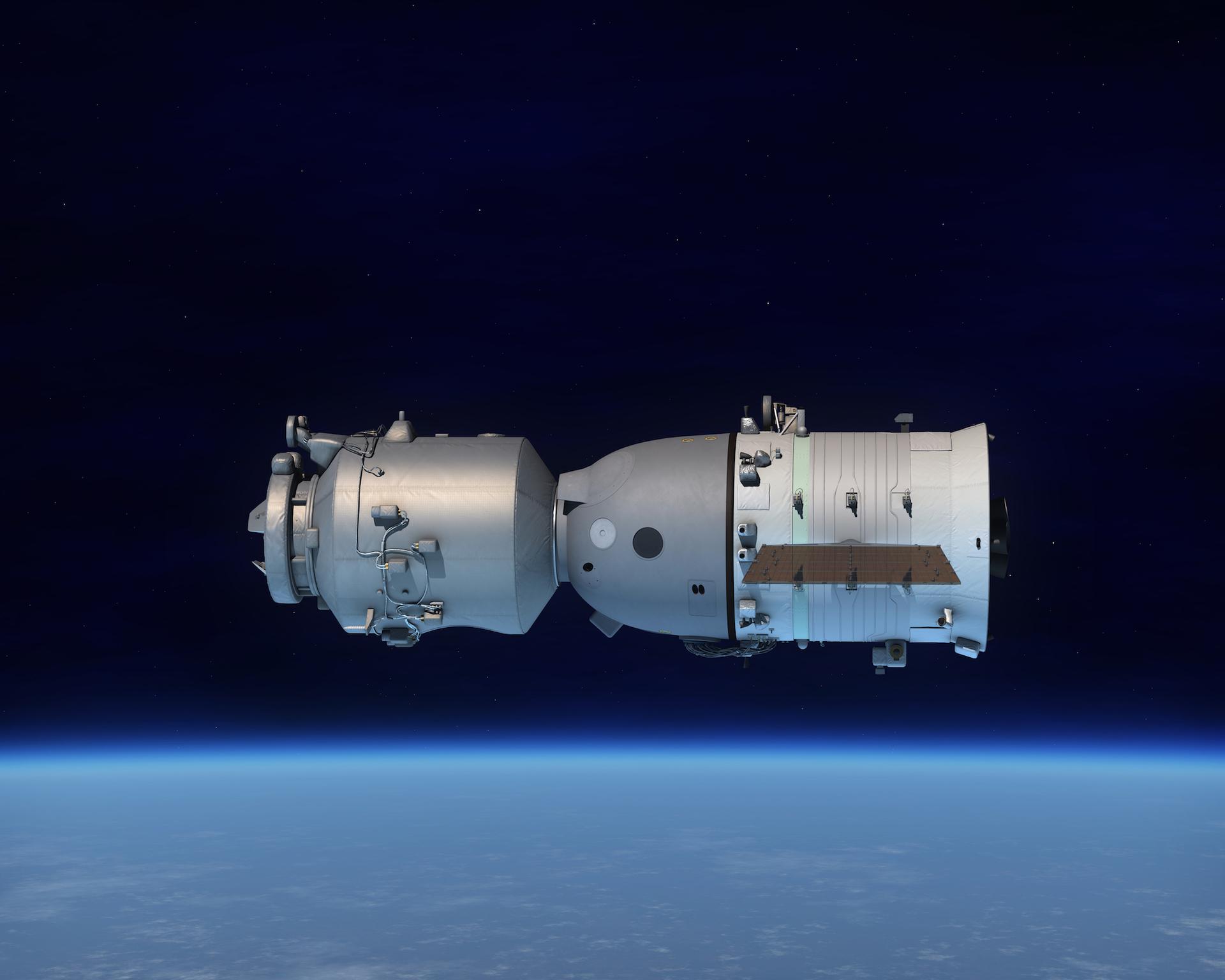
Shenzhou
CASC / CNSA
China's crewed spacecraft, influenced in part by the Soyuz design but significantly modified. Has ferried taikonauts to the Tiangong space station since Shenzhou-12 in June 2021 and conducts regular crew rotation missions. Each capsule is expendable.
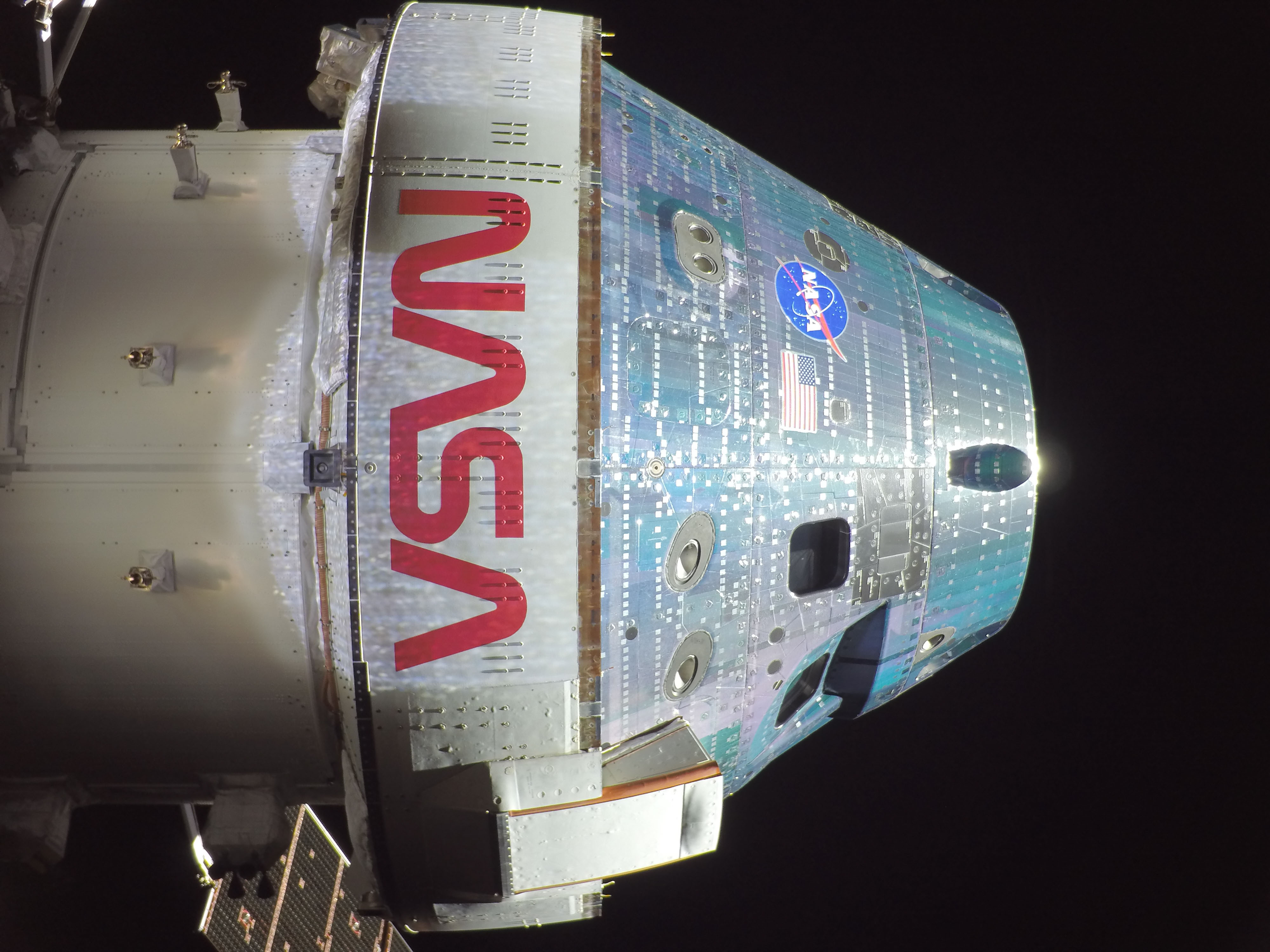
Orion
Lockheed Martin / NASA
NASA's deep-space crew capsule, designed for missions beyond low Earth orbit. Flew uncrewed on Artemis I (2022) and carried the first crew on Artemis II in April 2026. The capsule is recovered and inspected between flights; the European service module is expendable.
Active Fleet
Resupply
Cargo Spacecraft
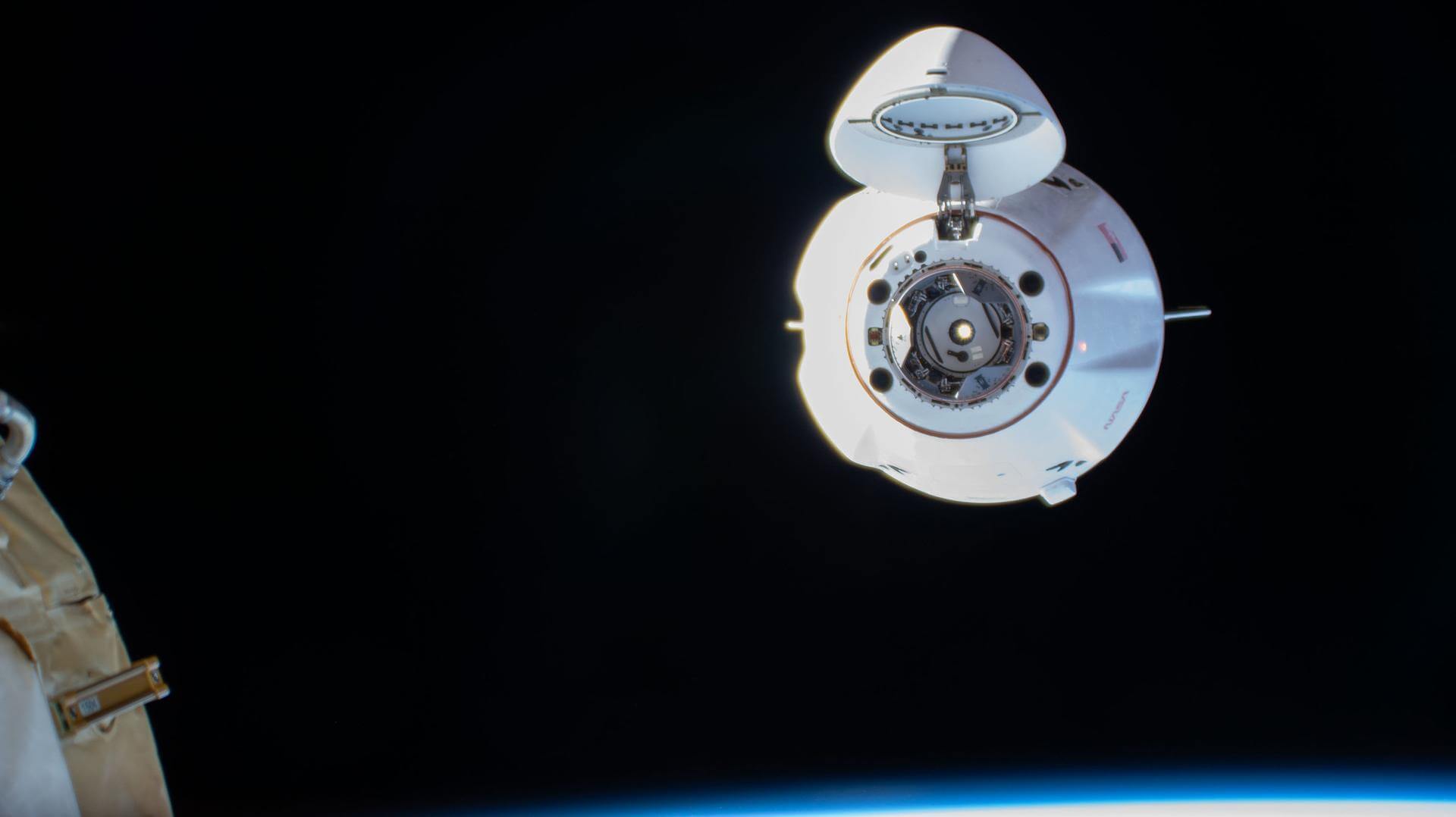
Dragon (Cargo)
SpaceX
The current Dragon 2 cargo variant has flown ISS resupply missions since December 2020 under NASA's CRS-2 contract. Its predecessor, Dragon 1, flew the original CRS-1 contract from 2012–2020. The only active US cargo vehicle capable of returning significant hardware to Earth via ocean splashdown. Capsules are reflown multiple times.
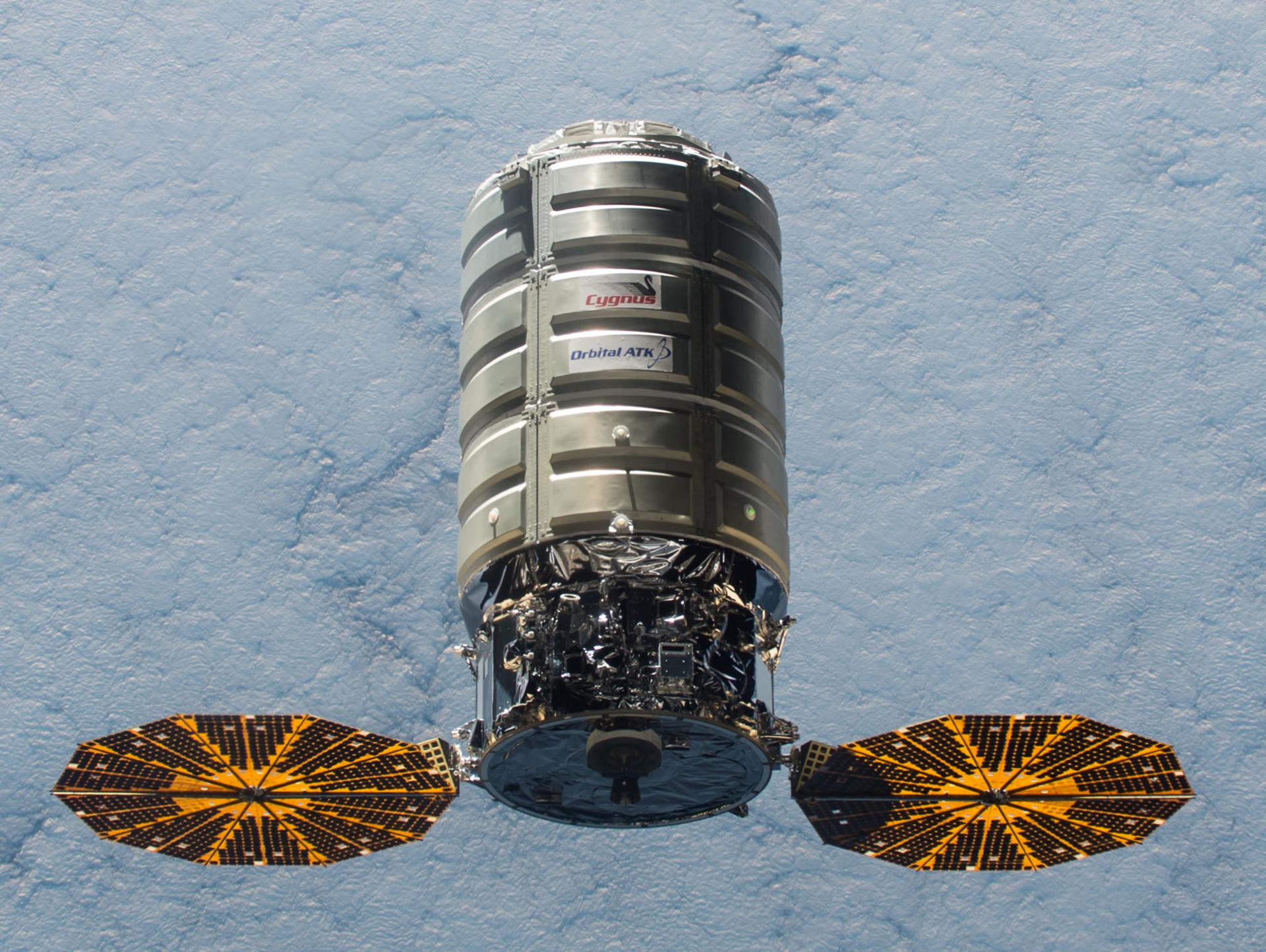
Cygnus
Northrop Grumman
Expendable cargo freighter launched on Antares or Falcon 9. Delivers pressurized cargo to the ISS and disposes of waste by destructive reentry. Each vehicle is named after a NASA astronaut.
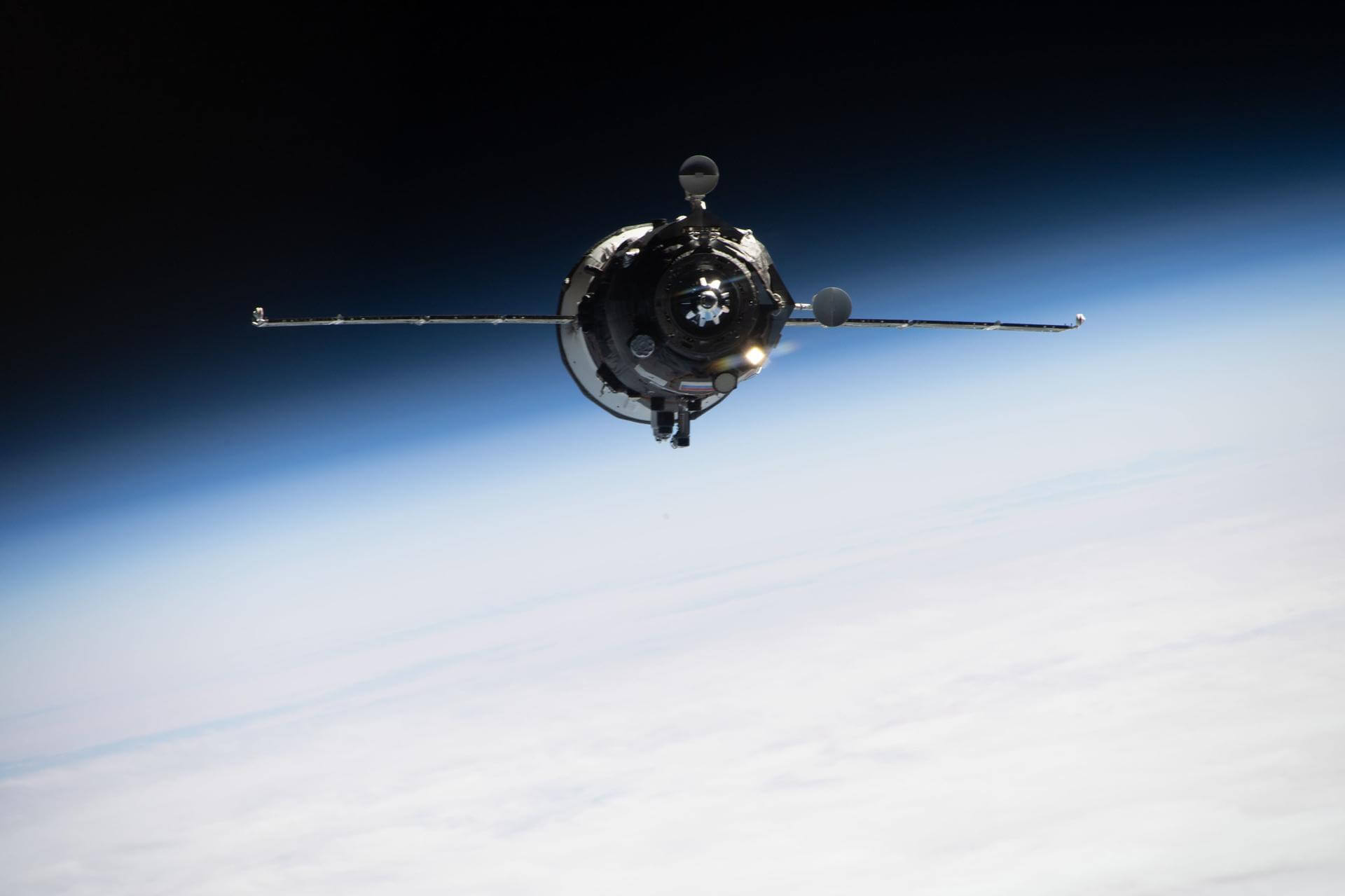
Progress MS
RSC Energia / Roscosmos
Russia's automated cargo resupply vehicle, derived directly from the Soyuz design. Delivers propellant, food, water, and equipment to the ISS before disposing of waste via destructive reentry.
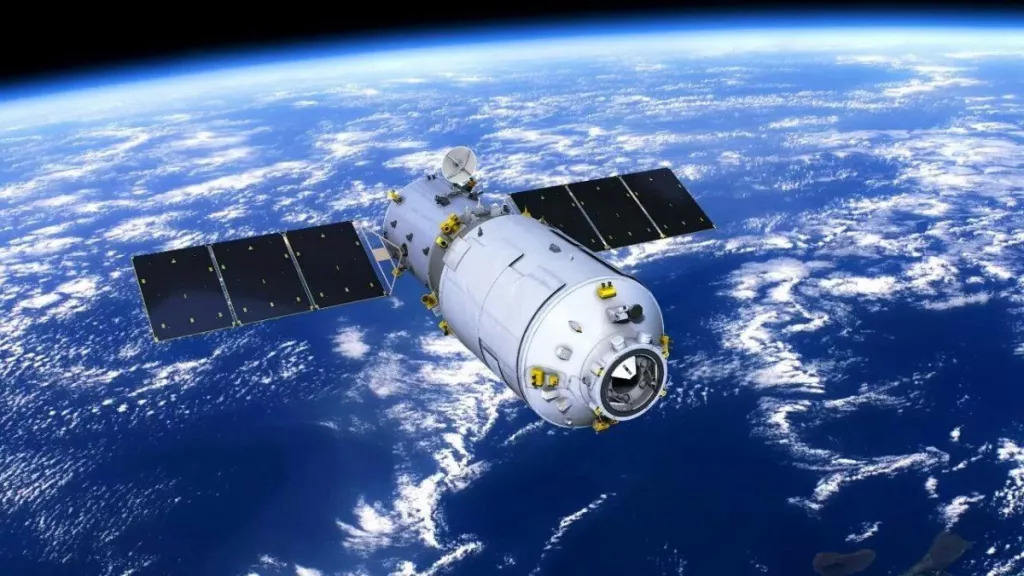
Tianzhou
CASC / CNSA
China's large automated cargo spacecraft services the Tiangong space station, delivering propellant for reboost and pressurized supplies. Each vehicle is expendable and disposes of waste on reentry.
Commercial Spaceflight
Suborbital Spacecraft
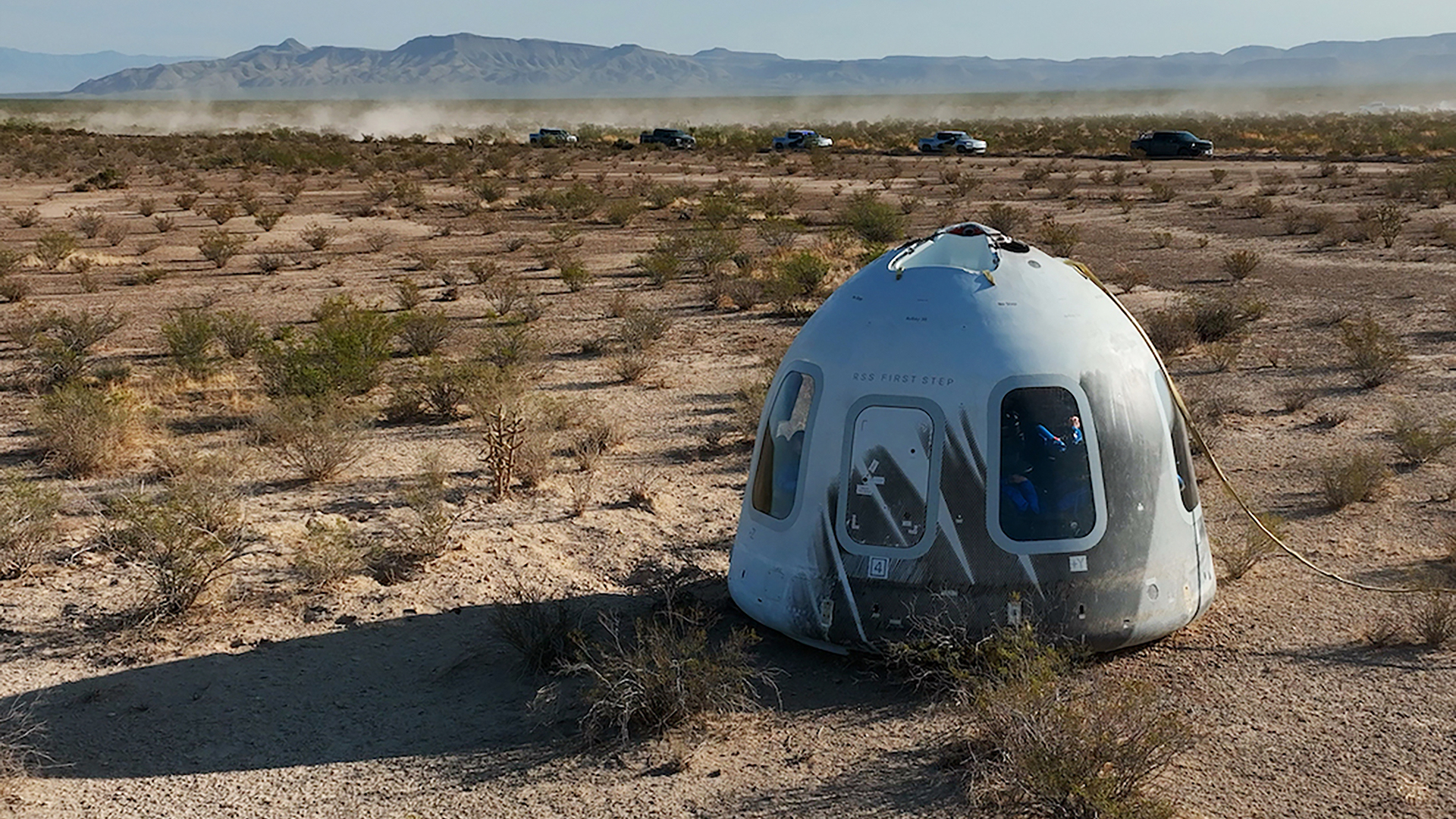
New Shepard
Blue Origin
Blue Origin's fully reusable suborbital system carried up to six passengers above the Kármán line (100 km) for ~3–4 minutes of weightlessness, with 38 flights and 98 people flown in total. Both the booster and crew capsule are independently recovered and reflown. On January 30, 2026, Blue Origin announced a pause of at least two years to redirect resources toward its Blue Moon lunar lander program under NASA's Artemis HLS contract. Last flight: NS-38, January 22, 2026.
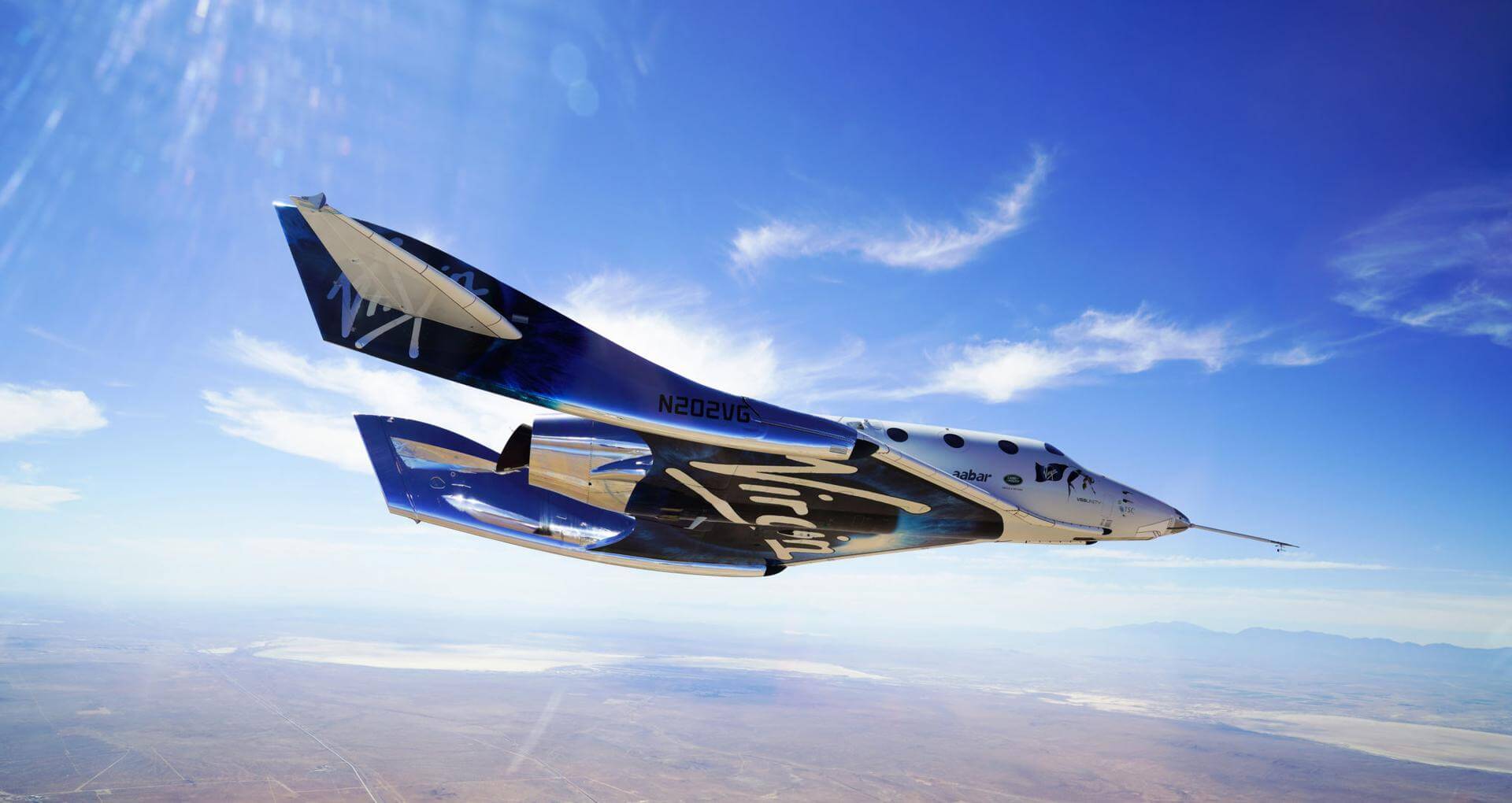
VSS Unity
Virgin Galactic / The Spaceship Company
Virgin Galactic's SpaceShipTwo vehicle flew three commercial spaceflights in 2023 before being retired on September 8, 2023. Carried six passengers per flight to ~88 km — above the U.S. FAA definition of space (80 km) but below the international Kármán line (100 km). Released from the WhiteKnightTwo mothership at altitude. The next-generation Delta class is in development.
Operational dates reflect first crewed or operational flight of the active variant. Reusable fleet details show currently active airframes.